Patient Education
LingualBracesandSpeech:WillYouHaveaLisp,andforHowLong?
Written by Dr. Judy Nguyen
Reviewed by Dr. Thao Vu
·October 28, 2026
Lingual braces can change how you say some sounds at first. Which sounds are affected, how long the adjustment usually lasts, and tips to speed it up, from Bloom in Long Beach and Garden Grove.
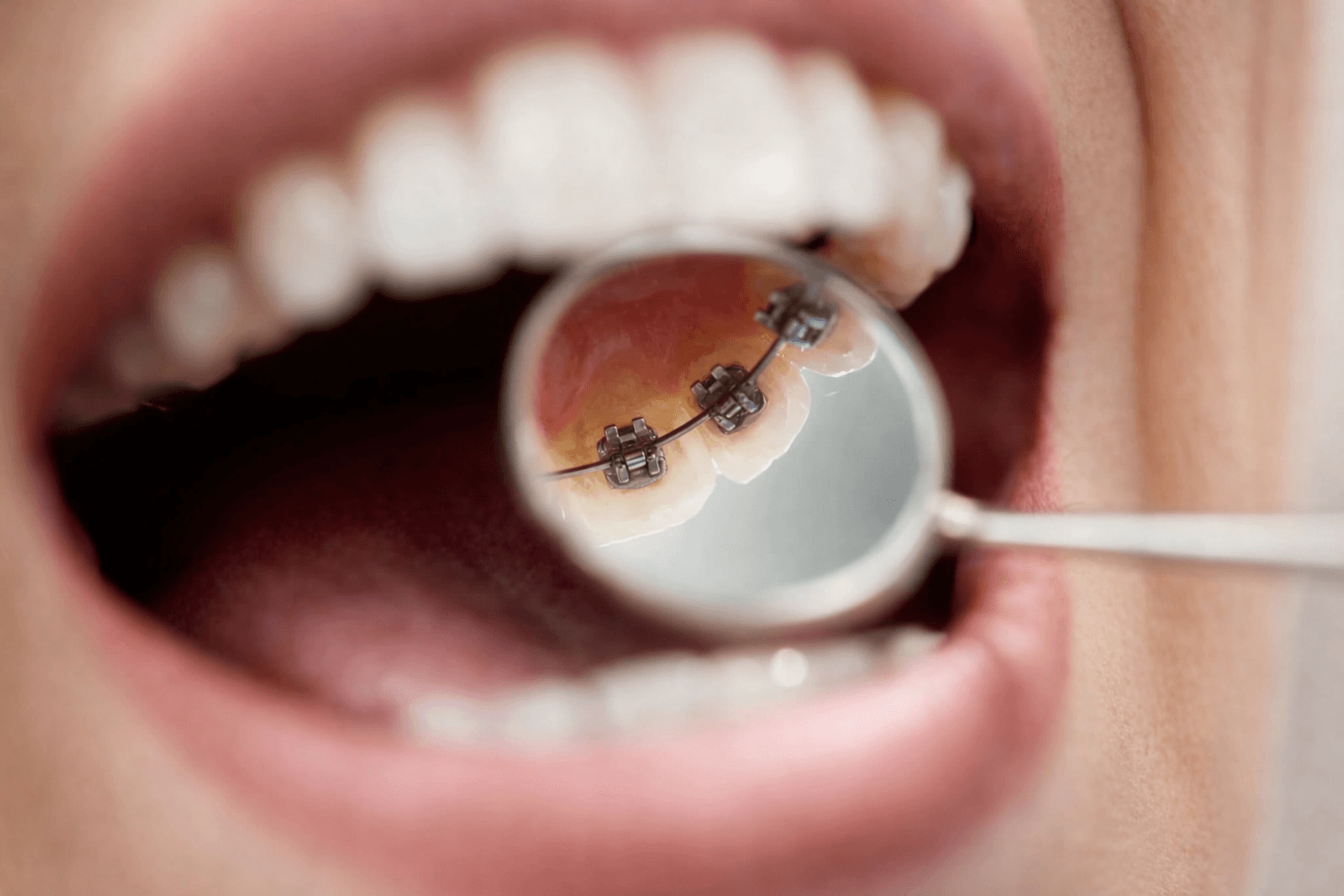
Yes, many people notice a slight lisp when lingual braces first go on, and for most it fades within a few weeks as the tongue adapts. At Bloom, most patients adjust within 2 to 4 weeks, though a few sounds can take longer.
Lingual braces sit on the tongue side of the teeth, right where the tongue touches to form some sounds. That is why speech changes are more common with lingual braces than with braces on the front.
What the Research Shows
A systematic review in the European Journal of Orthodontics looked at 13 studies of speech and orthodontic appliances. It found that lingual fixed appliances, palatal expanders, and Hawley retainers all had a clear effect on speech. Most speech changes returned to normal within weeks, but distortion of the "s" sound could last more than 3 months in some patients.
A separate meta-analysis comparing lingual and front-mounted braces found lingual patients were more likely to report speech difficulty and tongue soreness.
Sounds Most Likely to Change
The review lists these as the sounds most affected by appliances:
- "s" and "z", as in "sister" and "zoo"
- "t" and "d", as in "today"
- "sh", as in "shoe"
- some vowels, such as the "ee" sound
Tips to Adjust Faster
- Talk as much as you can. Practice is what retrains the tongue. Read aloud for a few minutes each day.
- Slow down in the first week, especially on "s" words.
- Use orthodontic wax on any bracket that rubs the tongue, so you are not holding your tongue back to avoid it.
- Record yourself on day one and again in week two. Most people hear the difference.
- Schedule around big moments. If you have a presentation or event, consider starting treatment a few weeks before.
When to Call Us
Call if your tongue has a sore spot that does not improve with wax, or if speech is not getting better after the first month. Small changes to a wire or bracket can sometimes help.
Lingual Braces at Bloom
Bloom uses custom-made lingual brackets designed for each patient's teeth. Dr. Thao Nguyen Vu and Dr. Judy Nguyen are board-certified orthodontists who place and adjust lingual braces at our Long Beach and Garden Grove offices. Your free consultation includes X-rays, records, and a treatment simulation, and we can talk through timing if speech is central to your work.
See how lingual treatment works on our lingual braces page.
Frequently Asked Questions
Do lingual braces cause a lisp?
Many people notice a slight lisp at first. It usually fades within a few weeks as the tongue adapts.
How long does it take to talk normally with lingual braces?
At Bloom, most patients adjust within 2 to 4 weeks. Research shows most speech changes resolve within weeks, though the "s" sound can take longer for some.
Will people notice my speech?
Most changes are small and most noticeable to you. Practice speeds up the adjustment.
Do clear braces or aligners affect speech too?
Any appliance can affect speech a little. The research found the clearest effects with lingual braces, palatal expanders, and Hawley retainers.
Sources
- Chen J, Wan J, You L. Speech and orthodontic appliances: a systematic literature review. Eur J Orthod. 2018.
- Ata-Ali F, Ata-Ali J, Ferrer-Molina M, et al. Adverse effects of lingual and buccal orthodontic techniques: A systematic review and meta-analysis. Am J Orthod Dentofacial Orthop. 2016.
- Bloom details: Lingual braces
Want hidden braces with a plan for your schedule? Book a free consultation in Long Beach or Garden Grove.
Get Started
Readytostartyoursmilejourney?
Complimentary consultations at both locations. No pressure, no commitment. Just clarity about your options.